
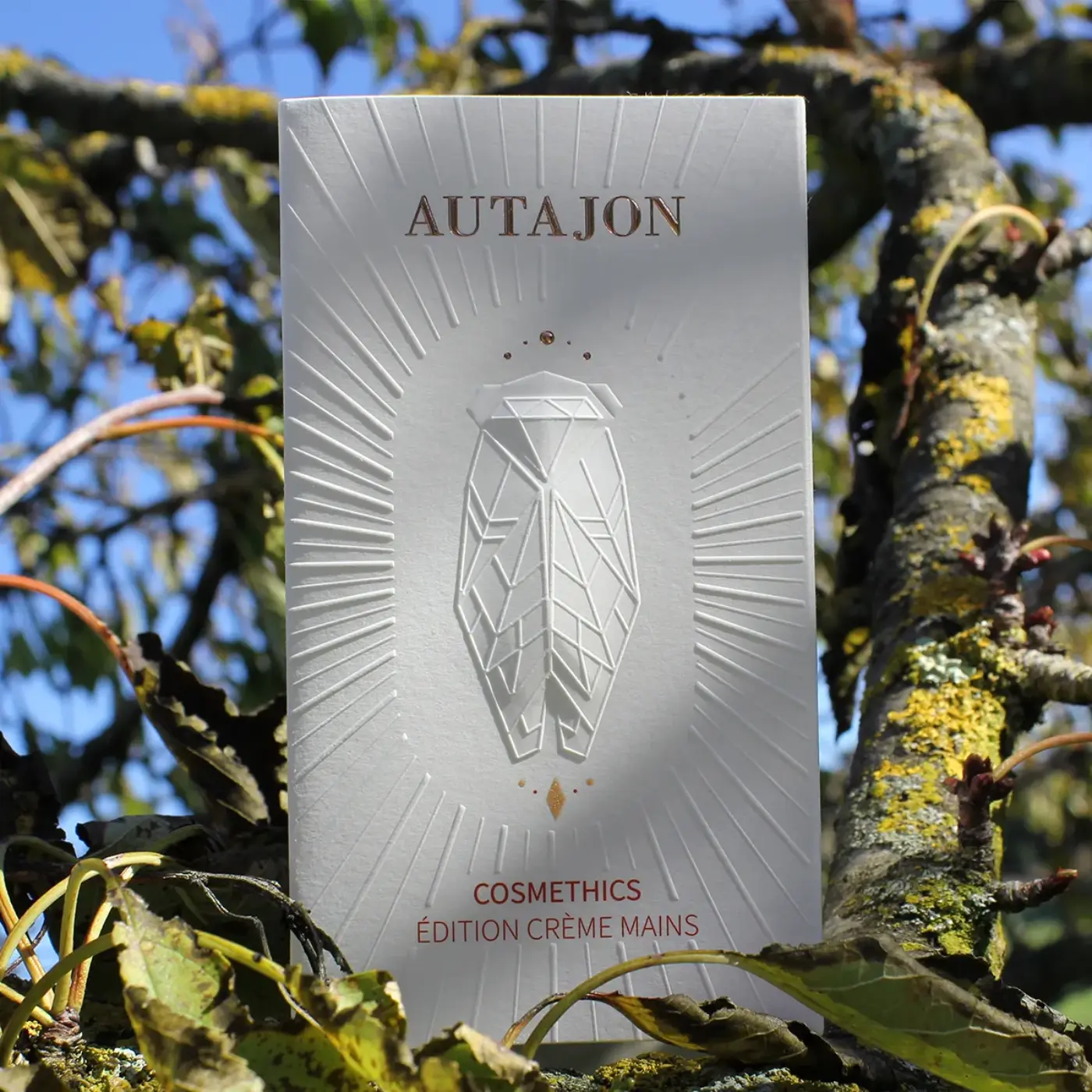
Eco-design
At Autajon, we support our customers every step of the way as they rethink their packaging and labels. From reducing materials to optimizing designs, through responsible design, impact analysis, and the development of concrete and measurable solutions. We guarantee reliable, tailor-made alternatives that comply with regulations for high-performance and truly sustainable projects.
The 3Rs: A simple and essential founding principle
At the heart of our eco-design and eco-production approach, the 3Rs: Reduce, Reuse, Recycle, guide each of our decisions. This universal principle, applied pragmatically, allows us to develop solutions that are more economical, more intelligent, and truly adapted to your challenges and those of the environment.
Reduce: focus on the essentials first
Reduction is the key driver of impact. For folding cartons and rigid boxes, this mostly means using less raw material, which makes up around 95% of the packaging’s total weight. Our teams focus on two main areas to achieve this: the front and back sides of the packaging.
We therefore support our clients in two specific areas:
- Optimize packaging dimensions: to avoid unnecessary empty space while preserving enough “technical space” essential for product safety in our cardboard packaging. Review label sizes and adjust the size of the label and backing.
- Lightweighting: when a lighter material offers the same mechanical performance and a more favorable carbon footprint. No visual impact, simply an optimization of the materials used.
For labels, we offer thinner facings that are perfectly compatible with labeling lines and particularly suited to multi-layers. The effort is thus multiplied by the number of pages of these labels.
Reuse: extending the life of packaging
Packaging provides information, communication, and protection, but often has a relatively short lifespan. Reuse is increasing thanks to robust systems such as deposit-refund schemes. At the outset of the return of deposit-refund schemes, we collaborated with specialized players such as Bout à Bout to adapt materials and finishes to the constraints of washing centers.
We also offer:
- Wash-off labels designed to come off easily when glass bottles are washed by hand.
- Sturdy rigid boxes, designed to be given a second life as everyday objects.
- Internal experiments on the reuse of inks or gilding.
- A common-sense practice of reusing scrap material for filling where possible.
Recycling: facilitating real recycling
We advise our clients on how to improve the recyclability of their packaging in practical terms, based on the criteria set out in the CITEO Guide. This includes material compatibility, recovery rates, and best practices for attaching labels to their substrates.
We prioritize:
- Single-material solutions (folding cartons and rigid boxes, including insert).
- Recommendations tailored to each label x container combination, to ensure smooth integration into existing supply chains.
- Support to distinguish between solutions that are theoretically recyclable and those that are actually recyclable.
- At the same time, we can also offer recycled or bio-based materials.
Responsible design
Eco-design means taking action right from the start of the project: choosing the right materials, adjusting weights, rethinking layouts, and optimizing existing designs to reduce impact without compromising performance. Our design office analyzes your packaging, identifies areas for improvement, and proposes concrete alternatives, often by converting your solutions to single-material or cardboard/cellulose padding.
Favoring a pragmatic approach
We start with the existing packaging to identify concrete optimizations before considering a complete redesign. The goal: to reduce environmental impact without compromising the functionality, quality, or effectiveness of the case, rigid boxes, or label.
Choosing the right materials
Select materials that are suitable for the intended use, expected performance, and actual environmental constraints.
Optimize packaging size
Limit unnecessary volumes and excessive packaging: use fitted folding cartons, optimized rigid boxes, and labels proportionate to the container.
Aiming for single-material
Facilitate recyclability by favoring cardboard solutions or simple combinations that are compatible with existing recycling channels.
Reduce the weight of the support
Offer lighter alternatives (weights, optimized references) while meeting mechanization requirements.
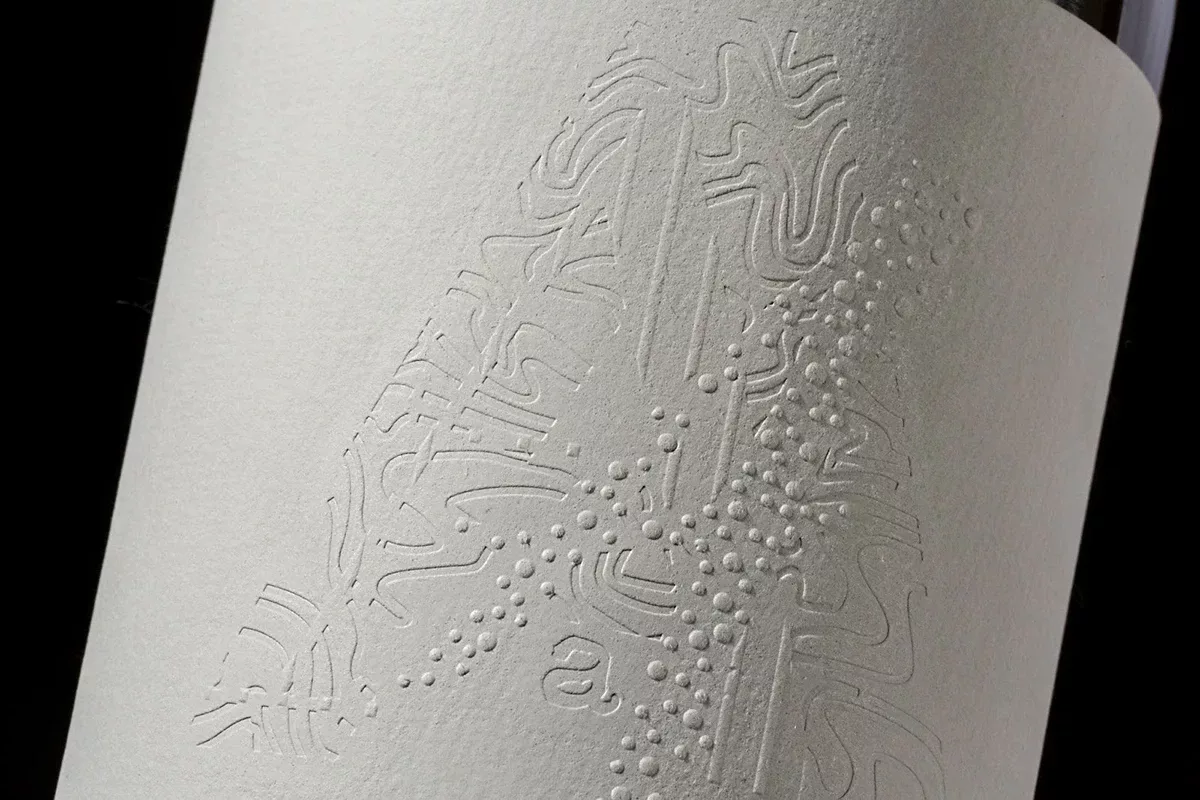
Eco-design with a difference: simplifying decor while preserving expression
Decor is a key lever in eco-design. We support brands in reducing material and ink usage without compromising the final result. Our recommendations are based on concrete factors: ink consumption, limiting the addition of materials, optimizing processes, and integration into recycling channels.
Eco-inking
Reducing ink usage means limiting flat colors, overprints, and specific pigments whenever possible. In concrete terms, this means reducing heavily inked areas. Use the substrate as part of your design: let the material breathe, use screens, and play with “unprinted” areas.
Limiting the addition of materials
Certain value-added techniques involve the use of films, varnish overlays, or plastic elements, either during the process or in the final packaging. We help our customers reduce the addition of complementary materials. We therefore recommend focusing on working with the paper or cardboard substrate (reliefs, cutouts, textures) rather than overlays.
The goal is not to sacrifice creativity, but to identify the most relevant solutions for reducing the environmental impact of packaging without compromising the brand’s intention.
Comprehensive analyses: making decisions objective
Eco-design is not just based on principles: it must be measured and verified. Some ideas, which appear virtuous at first glance, may have a higher carbon impact depending on the material, manufacturing process, or logistics involved. That is why we can incorporate an analytical approach that allows us to compare, evaluate, and recommend solutions that are truly relevant, not just the most appealing ones.
Carbon Impact Analysis
depending on the project requirements
Overall recommendations based on actual data and technical constraints
Assessment of the effects of a process change
Pragmatic comparisons
virgin fibers vs. recycled fibers
Our eco-designed creations
Every market faces eco-design challenges, particularly when it comes to finding alternatives to cardboard. Thanks to our monitoring and analysis, we develop practical and responsible solutions that best meet your needs.
Explore below some examples of concrete concepts for eco-designed folding cartons, rigid boxes, and labels.
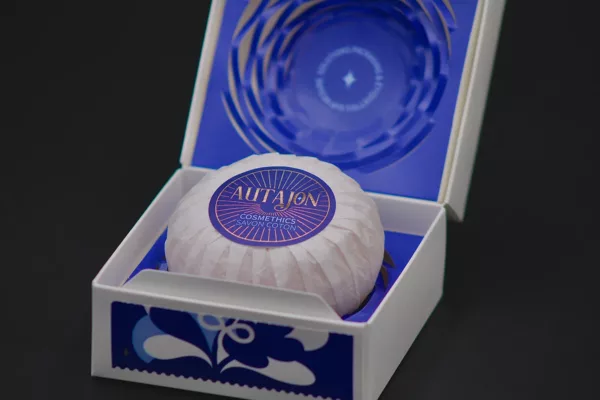
The “kirigami” cardboard insert
Transforming cardboard into flexible packaging using the art of kirigami. Fine, precise cuts allow for packaging that adapts to the product, an exclusive industrial technique that is extremely delicate.
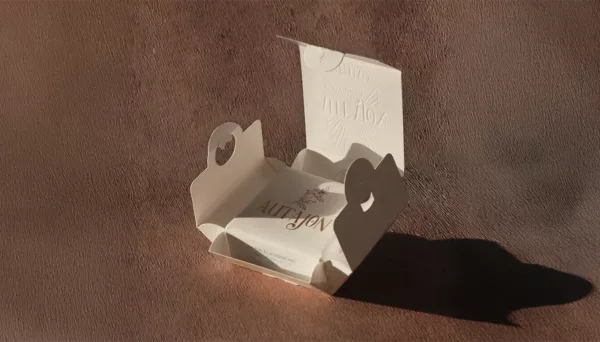
Corolla folding cartons without glue
Custom-made folding cartons made from 100% cardboard, without glue, with an opening optimized for the product experience. Tamper-evident labels offered as an alternative to cellophane wrapping.
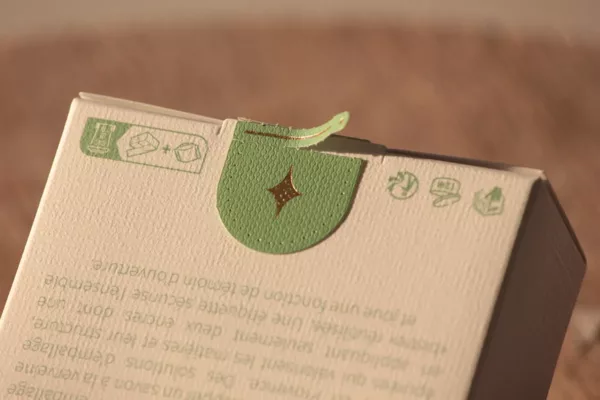
The tamper-evident label
Our expertise in tamper-evident adhesive solutions now enables us to offer labels with attractive designs for the cosmetics market as an alternative to cellophane wrapping.
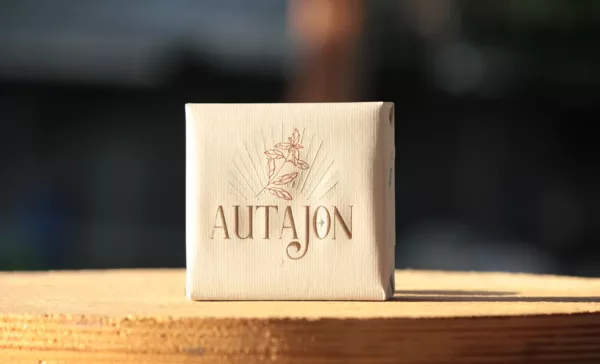
Reusing ink
Recovery of excess ink to create new prints. An effective solution, but with no precise control over the final color.
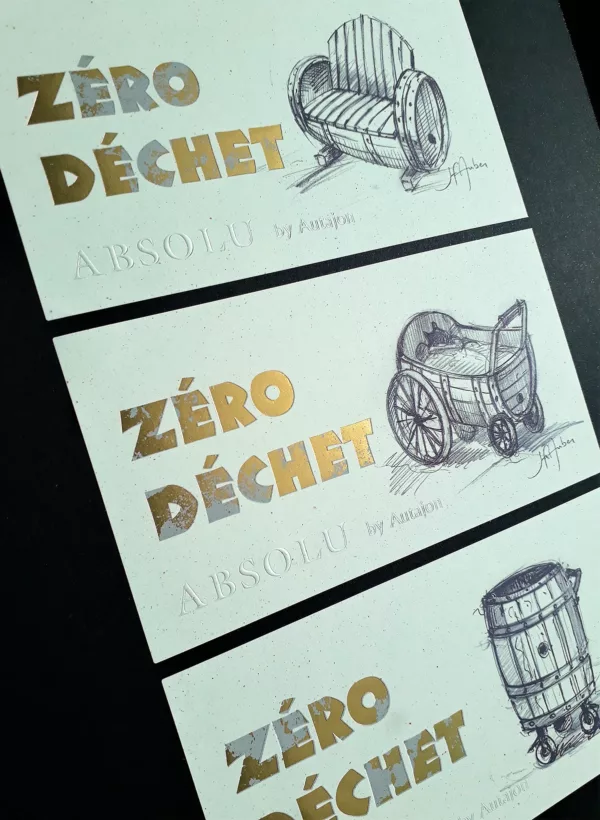
Reusing gold leaf ribbons
Optimization of ribbons to limit waste and enable reuse for touch-ups, with a visual impact on the uniformity of the gilding.
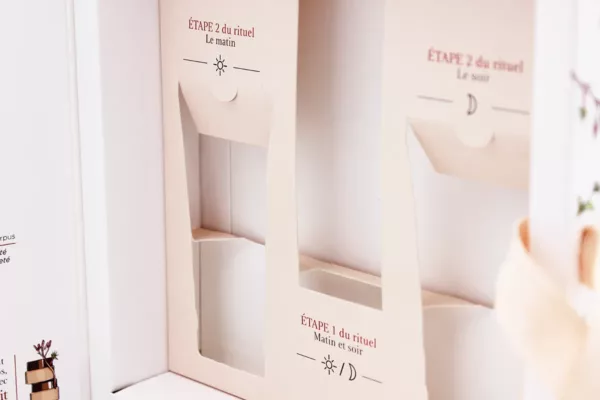
Cardboard wedging systems
Development of various cushioning systems, enabling optimal recycling while protecting the product.
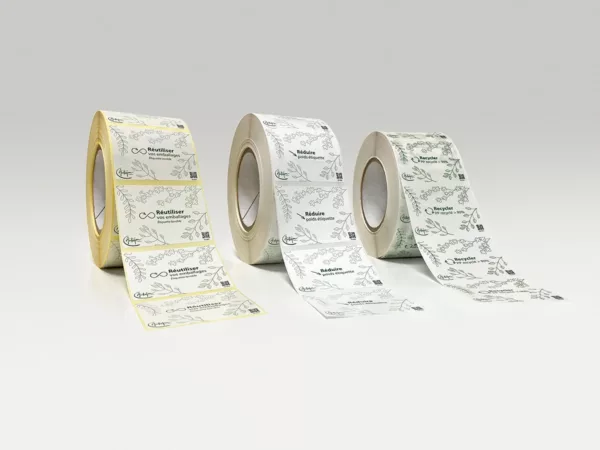
Recycled synthetic labels
Many suppliers are increasingly offering recycled label substrates as an alternative to current substrates.

And other tailor-made solutions
Each eco-design project is unique and may include additional optimizations depending on specific requirements.
Some concrete actions for more virtuous packaging
Turning waste into a resource
Glassine recovery
Glassine, a silicone-coated paper used as a backing for adhesive labels, was long considered non-recyclable waste. Since 2018, Autajon has been collecting these used liners from its customers and sending them to specialized facilities that transform them into valuable materials, such as insulation for buildings. This initiative has diverted several dozen tons of waste each year, making a concrete contribution to the circular economy.
Optimize every step
Reducing production waste
Printing and packaging production inevitably generate waste and scrap. We invest in more precise equipment to limit losses, optimize foil ribbons to reduce waste, and reuse cardboard and ink scraps in internal processes, such as packaging. Each improvement reduces our environmental impact while maintaining the quality and consistency of our production.
Partnership research
Working together for real impact
Autajon has worked closely with deposit and recycling networks such as Bout à Bout and J’aime mes bouteilles. We carefully audit our suppliers to guarantee the quality of our materials and work with our customers to develop solutions tailored to their packaging flows and lines, which are tested in real-world conditions to maximize the efficiency and sustainability of the packaging.
Guarantees of control and transparency
Environmental certifications
All our environmental actions are monitored and verified. Our sites have long-term certifications for sourcing, traceability, and material processing, such as FSC, PEFC, SFI, and Imprim’Vert. We also pursue more comprehensive and demanding certifications, such as Ecovadis, CDP, and ISO 14001, to ensure that our practices comply with the most stringent international standards.
Monitoring and research into new materials
Innovation at the service of eco-design
The materials market is evolving rapidly. We regularly test new fibers, papers, and substrates to assess their suitability for our processes and our customers’ needs. These sources are selected for their performance, sustainability, and compatibility with production lines, so that we can continue to offer packaging that is environmentally friendly, functional, and high quality.